
"Mexican coffee drink"
1000 article(s) found

Boutique coffee recommends Mexican coffee with low taste and strong aroma.
Flavor and taste characteristics: soft aroma, mellow and comfortable, with wine aroma. Mexico has a long history of producing coffee and is currently one of the most important coffee producing countries in the world. The coffee produced in Mexico is naturally called Mexican coffee. About 5 ℃ of Mexico's national area are plateaus and mountains, with an annual average temperature of 2527 ppm. The Mexican plateau has a mild climate all the year round.

A brief introduction to the history and culture of the origin and development of Mexican coffee with smooth taste and high acidity
Mexicans are enthusiastic and optimistic, and the chocolates in Mexican coffee perfectly reflect this. There are different methods of Mexican coffee, but the main difference is whether it contains alcohol or not. let's first introduce the practice of non-alcohol. Heat a cup of milk, a teaspoon of cinnamon powder and a teaspoon of vanilla powder in a pot. Keep it at medium temperature. The heat is not too high. The milk must not boil. And then join.

Mexican Coffee Flavor Taste Characteristics Manor Introduction
Alcohol-free Mexican coffee is often served with milk. Heat a cup of milk, a teaspoon of cinnamon powder and a teaspoon of vanilla powder in a saucepan over medium heat. Then add cocoa powder, dissolve well and stir well. If you like chocolate, you can use chocolate paste instead of cocoa powder mixed with milk. Allow the milk to dry for about 5 minutes until the cows
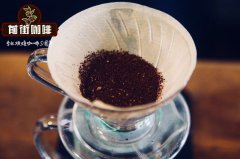
Mexican coffee taste describes how Mexican coffee is brewed.
For the exchange of professional baristas, please pay attention to the coffee workshop (Wechat official account cafe_style) Mexican coffee has its characteristic flavor: smooth, high acidity, medium mellow, slightly nutty aftertaste. Sweet, sour and bitter are neutral, with suitable sour taste, special and elegant taste. Although the professionalism of Brazilian coffee is of little value, it is very suitable for blending. Because of the huge output of coffee,
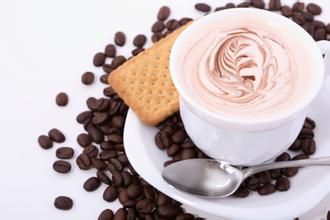
Introduction of Mexican coffee beans with strong sweetness, sour taste and good aroma
Mexicans are enthusiastic and optimistic, and the chocolates in Mexican coffee perfectly reflect this. There are different methods of Mexican coffee, but the main difference is whether it contains alcohol or not. let's first introduce the practice of non-alcohol. Heat a cup of milk, a teaspoon of cinnamon powder and a teaspoon of vanilla powder in a pot. Keep it at medium temperature. The heat is not too high. The milk must not boil. And then join.

Flavor and taste characteristics of Mexican coffee
Flavor and taste characteristics: soft aroma, mellow and comfortable, with wine aroma. Mexico has a long history of producing coffee and is currently one of the most important coffee producing countries in the world. The coffee produced in Mexico is naturally called Mexican coffee. About 5 ℃ of Mexico's national area are plateaus and mountains, with an annual average temperature of 2527 ppm. The Mexican plateau has a mild climate all the year round.

Description of Mexican Coffee Flavor with nutty aftertaste introduction to the characteristics of Grinding degree
Mexicans are enthusiastic and optimistic, and the chocolates in Mexican coffee perfectly reflect this. There are different methods of Mexican coffee, but the main difference is whether it contains alcohol or not. let's first introduce the practice of non-alcohol. Heat a cup of milk, a teaspoon of cinnamon powder and a teaspoon of vanilla powder in a pot. Keep it at medium temperature. The heat is not too high. The milk must not boil. And then join.
What is the Mexican coffee brand? Mexican coffee hands suggest Mexican Oaxaca coffee.
For more information on coffee beans, please follow the coffee workshop (Wechat official account cafe_style) Coffee in Mexico is classified by altitude, and most of the coffee in the country is used for blending and / or dark coffee. Mexico has grown coffee since the late 18th century, and most of the country's coffee now comes from the southern part of the country.

Apart from tequila, how does Mexican coffee taste? what coffee beans do you recommend in Mexico?
Professional coffee knowledge exchange more information about coffee beans Please pay attention to the coffee workshop (Wechat official account cafe_style) Coffee produced in Mexico has a long history and is now one of the important coffee producing countries in the world. The coffee produced in Mexico is naturally called Mexican coffee. About 5 ℃ of the total area of Mexico are plateaus and mountains, with an annual average temperature of 2527 ppm.

Coffee producing areas in Mexico introduce Aldura coffee flavor and taste introduce Mexican coffee manor essence
Aldura coffee beans are the top coffee beans in Mexico. This coffee beans have large granules and have strong sweet, sour and good aroma. Mexicans are optimistic and enthusiastic, and it can also be seen from their coffee that the mellow Mexican coffee is not only loved by the native people, but also praised by many coffee connoisseurs. Tasting Mexican coffee.

Coffee training Italian specialty coffee making Mexican coffee
Mexico is geographically located in North America, belonging to Central America in the coffee map, the main producing areas are: Cora Begu, Australia Aluca states, the products are mostly washed beans produced in the highlands, with a good aromatic and sour taste. Mexican coffee beans are mostly produced by small farmers, and large estates are rare. At the same time, based on regional orientation, Mexican coffee beans are mainly exported to the United States.

Description of the characteristics and Flavor of Mexican Fine Coffee beans introduction to planting Environment Cooperative
The Olmec civilization was born in the tropical jungles of the San Lorenzo Highlands of Central America around 1200 BC. San Lorenzo, the center of the early Olmec civilization, flourished for about 300 years and was destroyed by violence around 900 BC. The center of the Olmec civilization then moved to Raventa near the Gulf of Mexico. The Olmec civilization finally disappeared around 400 BC.
Introduction of Mexican Aldura Coffee with large granules and strong sweetness
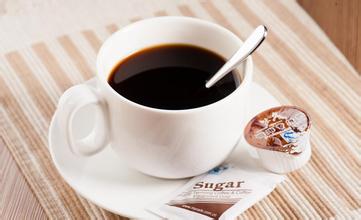
High quality beans: Aldu Mara, Mexico. Taste characteristics: large particles, with a strong sweet, sour taste and good aroma. The best barbecue degree: medium fried or body fried. It is characterized by a smooth taste, high acidity, medium mellowness and a slightly nutty finish. Sweet, sour and bitter are neutral, moderately sour, special and elegant. Although the professionalism of coffee in Brazil is of little value
Introduction of Mexican Aldura Coffee with large granules and strong sweetness
High quality beans: Aldu Mara, Mexico. Taste characteristics: large particles, with a strong sweet, sour taste and good aroma. The best barbecue degree: medium fried or body fried. It is characterized by a smooth taste, high acidity, medium mellowness and a slightly nutty finish. Sweet, sour and bitter are neutral, moderately sour, special and elegant. Although the professionalism of coffee in Brazil is of little value

Introduction of Mexican boutique coffee beans Aldumara coffee flavor manor
According to the latest estimates of the Mexican National residents Committee, Mexico has a population of 118.4 million, ranking 11th in the world, second only to Brazil in Latin America and 11th in the world. [4] Indo-European mixed race accounts for about 60%, Indian descent accounts for about 30%, and European descent accounts for about 9%. The official language is Spanish, with 7.1% of the population speaking Indian. 89% of the residents
A brief introduction to the planting Market Price of Mexican Fine Coffee Bean varieties
Another way to match Mexico's most famous tequila with coffee is to pour a small glass of tequila at the bottom of the cup, followed by milk and coffee, preferably decorated with cream and cinnamon. Tequila is a wine with great stamina. If you have enough courage, you might as well try this alternative coffee. Indeed, after drinking Mexican coffee, I really forget my worries and get rid of my troubles.
A brief introduction to the treatment method of grinding degree and baking degree of Aldura boutique coffee beans with wine flavor
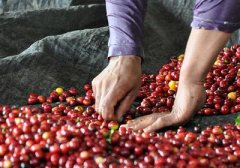
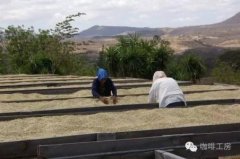
The selection of Mexican coffee is generally carried out manually. The main basis for selection is according to the fullness of coffee particles, whether it is uniform, and then grade it. Generally speaking, coffee with full and uniform grains is easier to preserve. Only the fullest and most evenly grained coffee beans can be roasted to represent the best and best coffee in the country. After picking the coffee beans, the workers put the coffee

What is the roasting degree of Mexican coffee beans? will Mexican coffee beans be sour when roasted lightly?
For more information about coffee beans, please follow the Coffee Workshop (official Wechat account cafe_style) through the Mexican Agriculture, Animal Husbandry, Rural Development, Fisheries and Food (SAGARPA) Secretariat, the International Coffee Expo takes place in Beijing, China, of which the 2018 edition is a special guest gathering of 360 exhibitors and more than 70, 000 visitors. this

A brief introduction to the description of flavor, taste and aroma characteristics of Mexican boutique coffee beans
Non-alcoholic Mexican coffee often goes with milk. Heat a cup of milk, a teaspoon of cinnamon powder and a teaspoon of vanilla powder in a pot at medium temperature, not too hot, and do not boil the milk. Then add the cocoa powder, fully dissolve and stir well. If you like chocolate, you can use chocolate paste instead of cocoa powder and milk. Let the milk dry for about 5 minutes until the cow
Flavors Special Mexican Coffee Bean Flavors Introduction Aldumara Coffee Albica Coffee
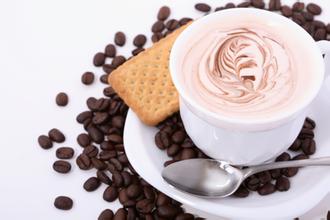
Allow the milk to cool for about 5 minutes before pouring into the coffee. Garnish the coffee with cold cream and a cinnamon stick. Chocolate and cinnamon aromas blend together to give off a desert flavor. Tasting a cup of coffee like this, you feel as if you are walking through the grey-green cacti in the Mexican desert.